

There is a fascinating phenomenon in Chinese traditional mythology: even in the face of disasters such as floods, landslides, and fires, it is often the Chinese people themselves who confront and transform nature. Those who achieve meritorious deeds in this process are then revered as emperors or even gods. In this struggle and transformation, the power of belief is particularly vital. In traditional Chinese mystical culture, characters are believed to possess special power. They serve as constant reminders to clarify goals, strengthen resolve, confront difficulties, and ultimately elevate oneself to overcome disasters.
Pendant Amulet: Literally, “Decorative Coins for Hanging”.
Regarded as a unique type of folk coin in ancient China, pendant charms were primarily used for praying for blessings and dispelling evil, expressing good wishes, and were commonly seen in festivals, weddings, and other ceremonial occasions. Their history can be traced back to the Han Dynasty (2nd century BCE – 3rd century CE), flourished during the Wei, Jin, and Northern/Southern Dynasties (3rd–5th centuries CE), and reached its peak in the Ming and Qing Dynasties (14th–19th centuries CE).
Materials: Mostly made of copper, with some using precious metals like gold or silver for main patterns and motifs, all symbolizing good blessings and auspicious meanings.
Among various charm coins, compound characters (合体字) are particularly striking. These characters are formed by combining multiple Chinese characters using shared strokes, visually appearing as a single character. While they resemble Taoist talismans for good fortune and prosperity, they actually embody complete auspicious phrases.
- Origin: The earliest compound characters date back to the Pre-Qin period (7th–2nd century BCE), primarily used on military talismans.
- Evolution: During the Han Dynasty (when pendant charms thrived), they were gradually absorbed into Taoist 符箓 (talismans). By the Song Dynasty, they broke free from religious norms and became a common form to carry folk wishes and beliefs, embodying a synthesis of Chinese traditional religious culture, public faith, and symbolism.
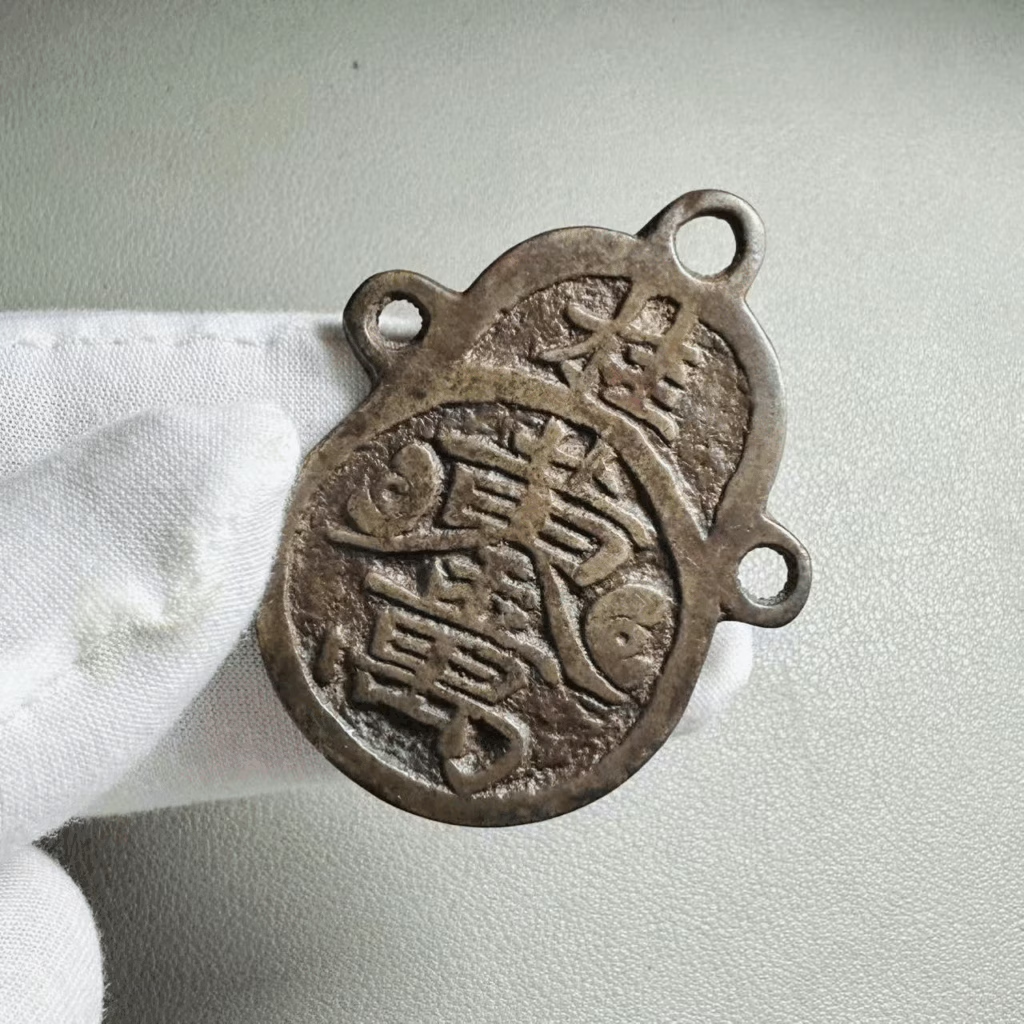
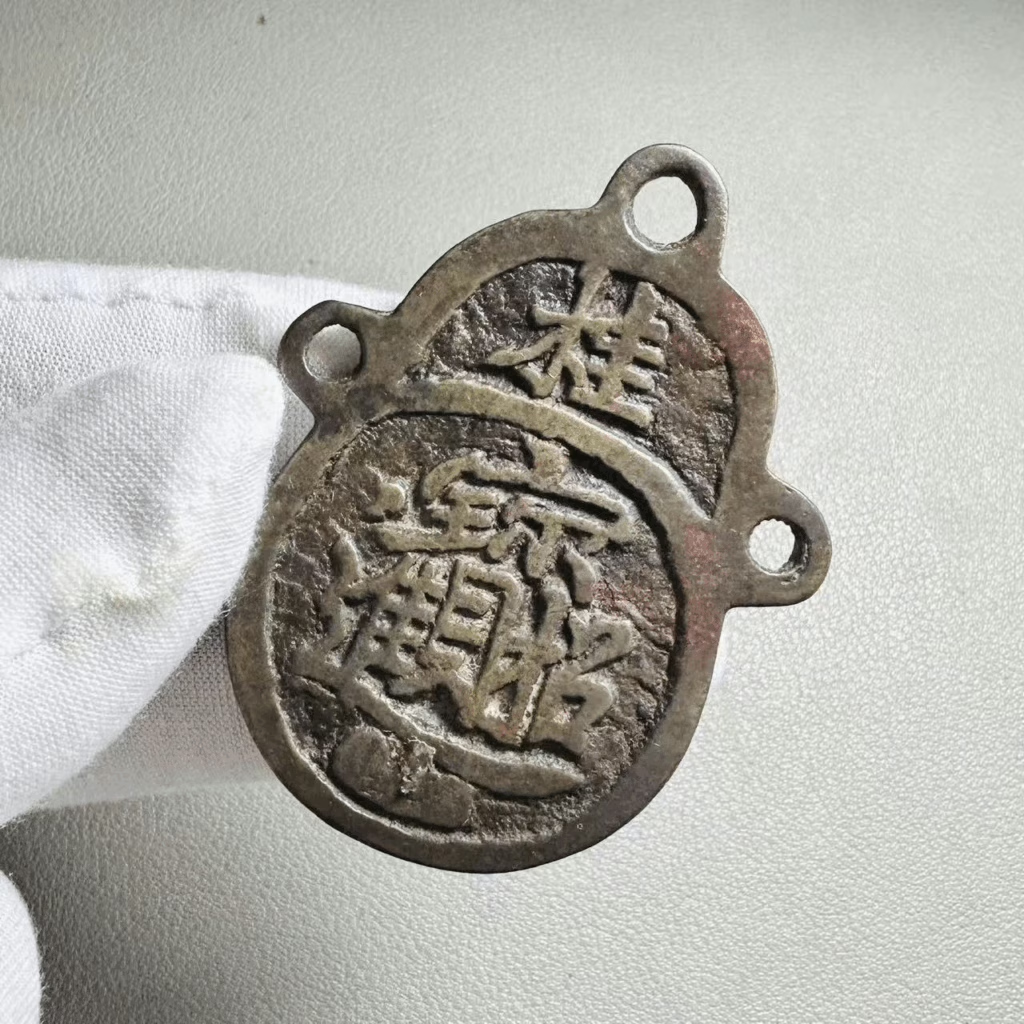
Case Study: “Attract Wealth and Treasure, Ten Thousand Taels of Gold” Pendant Charm (Image Example)
Upper Half: Shaped like a yuanbao (ingot), a symbol of wealth since ancient times.
Three Round Holes: Inspired by the three-hole cloth coins of the Pre-Qin period, a historic monetary form.
Central Character: 桂 (Guì)
Represents the casting location, modern-day Guangxi Province in southern China.
Inscription: 黄金万两 (Huángjīn Wàn Liǎng)
黄金 (Huángjīn): Gold, not a daily currency in ancient China but a symbol of wealth.
万两 (Wàn Liǎng): A metaphorical quantity (1 liǎng ≈ 2 ounces in the Han Dynasty), signifying “immeasurable wealth.” Together, the phrase expresses a wish for abundant riches.
Inscription: 招财进宝 (Zhāocái Jìnbǎo)
The four characters share 偏旁 (radicals), with “wealth” and “treasure” at the core. The vertical structure symbolizes wealth converging.
财 (Cái): Refers to currency; 宝 (Bǎo): Denotes rare treasures (e.g., pure rubies or coral trees), highlighting the distinction between material wealth and precious objects.
This pendant charm coin integrates historical symbolism, linguistic ingenuity, and cultural beliefs, embodying the enduring power of Chinese mystical traditions to channel human intention and collective memory.